Bespoke Utopia: Essay
Emma Batchelor
In Bespoke Utopia, Lucy Chetcuti brings together diverse works to interrogate the practice and implications of slow design. The exhibition forms part of the 2026 Craft + Design Canberra Festival, a bi-annual celebration of Canberra as a creative city of design. Responding to the theme of Dissent, the Festival explores how craft, design and creative practice can question what exists, challenge convention and imagine different ways of moving forward.
With our world currently far from a utopia, what has been proposed in this exhibition is the possibility of one. From practical to decorative, Bespoke Utopia presents objects that span form, function and practice, igniting a conversation about care, craftsmanship and the responsibility we have for both what we create and what we consume.
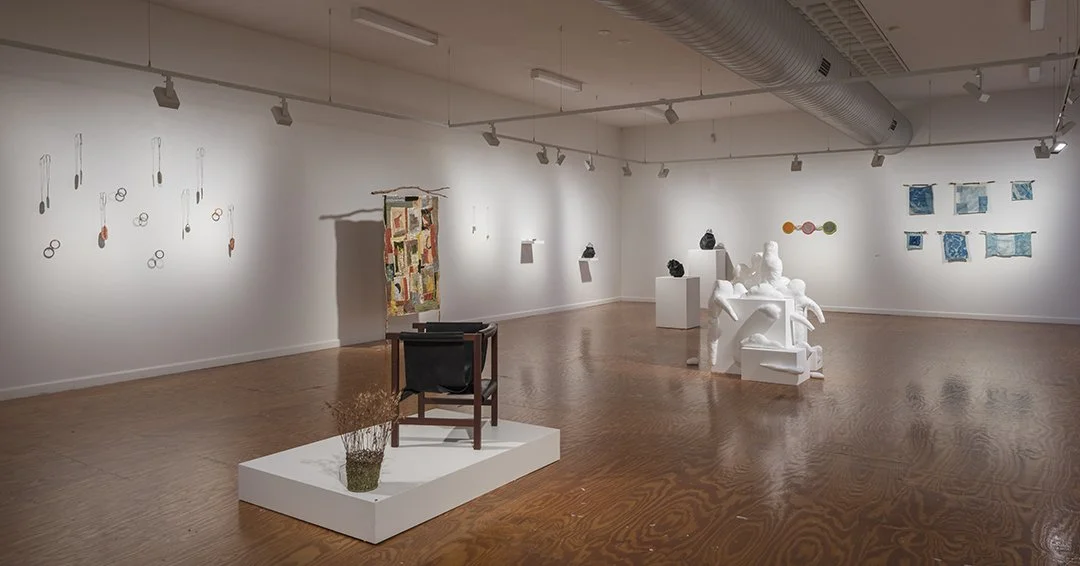
Bespoke Utopia, install image courtesy of Brenton McGeachie.
Perhaps most prominent within the exhibition, or at least most readily legible, is a conversation between materials that have been made by nature and those that have been manufactured by humans. Branches support naturally dyed and printed textiles by Grace Walters. Rough marble has been shaped by Matthew Freeman into the more intimate form of jewellery. Kangaroo grass has been woven by Lisa Stevenson to form a delicate basket. Richly hued timber has been smoothed and assembled by Evan Humphreys to create elegant furniture. This material interplay serves to highlight the ways in which we bring nature into our homes and into conversation with our bodies.
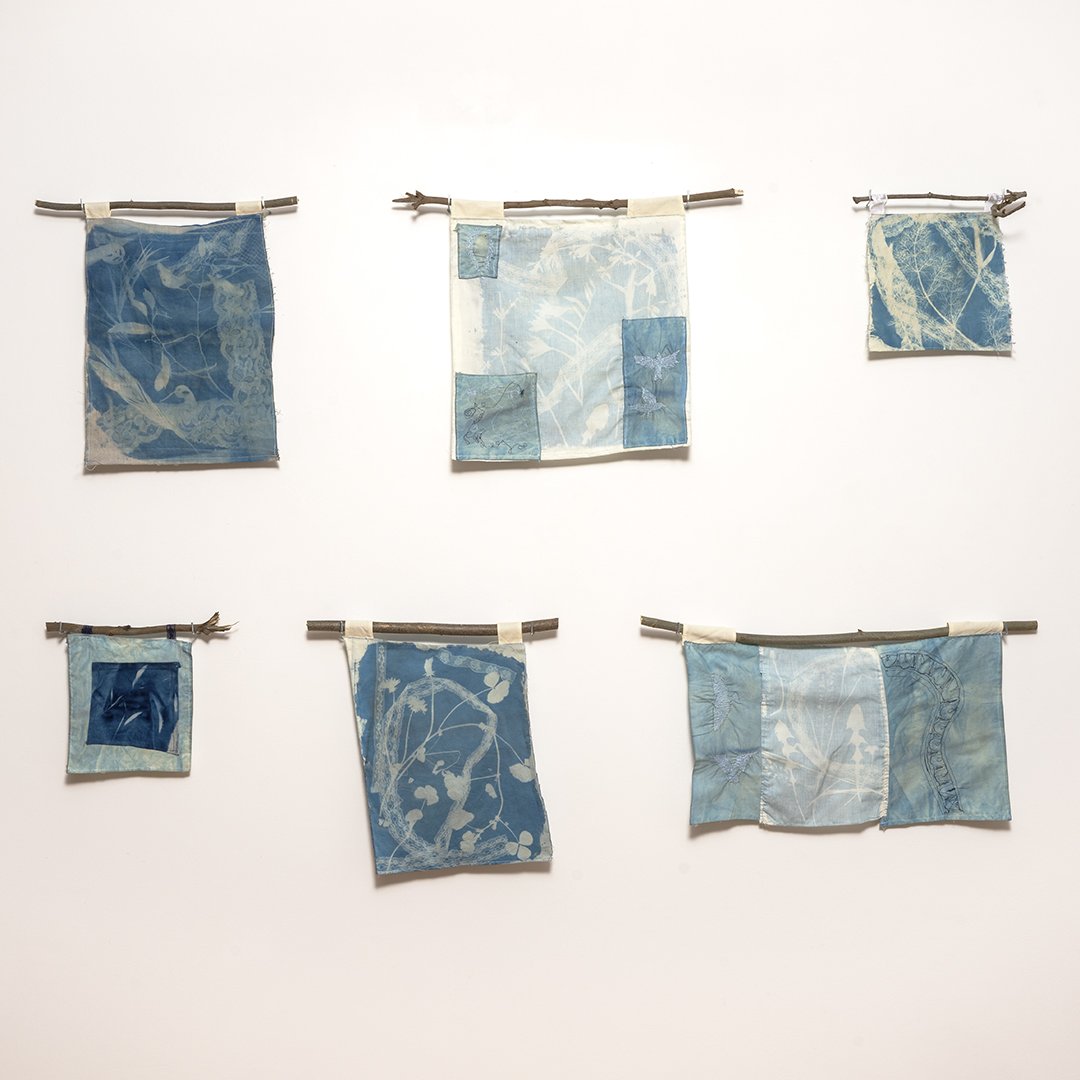
Grace Walters, 2026. Image courtesy of Brenton McGeachie.
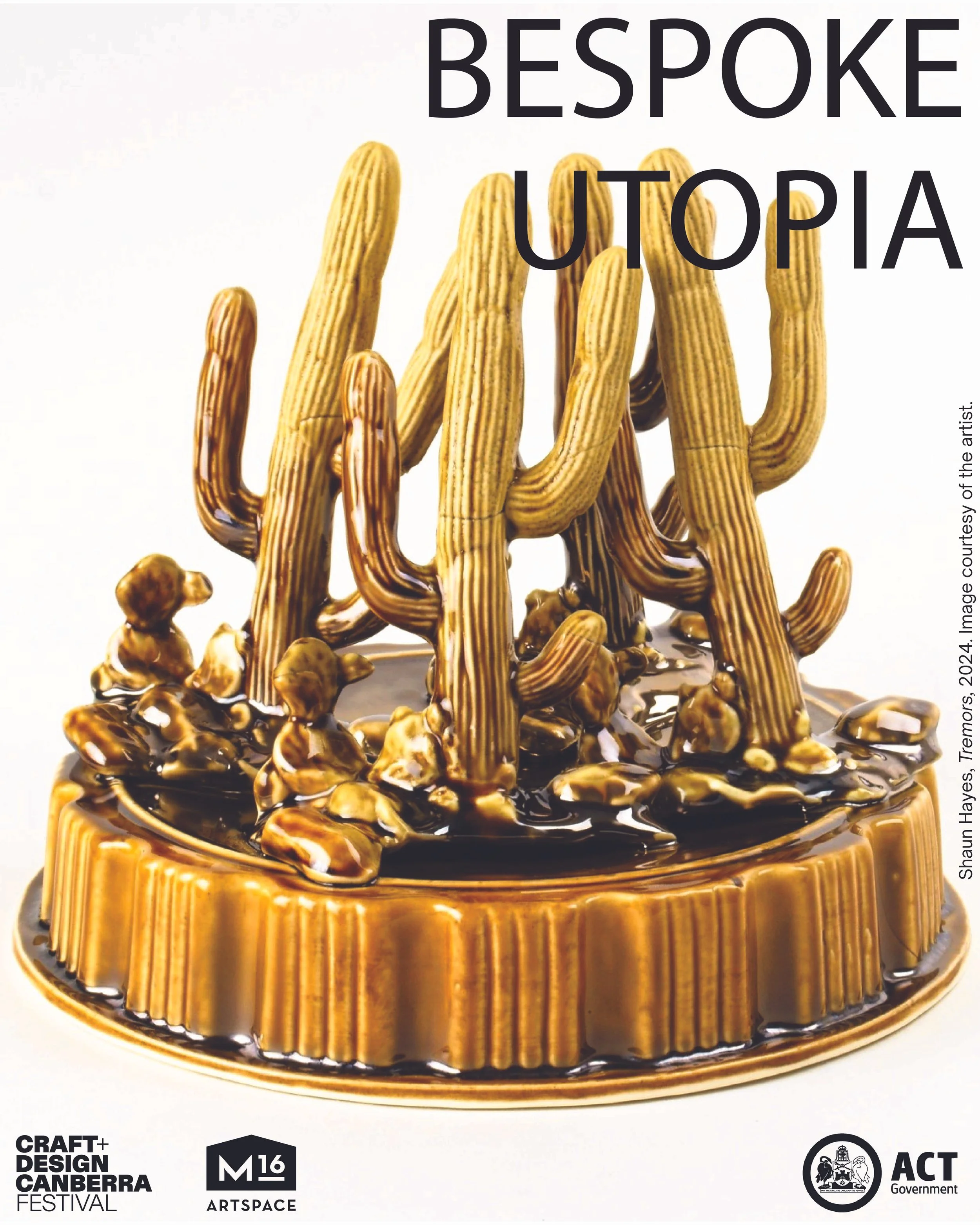
Integral to many of the works, is a desire for reclamation. In making use of existing items, artists are not only prolonging the lifespan of found objects, they are simultaneously transforming them into something entirely new. In repurposing textile waste to create soft sculptures, Karen Lee is doing just this. So too is Paul McInnes, in reshaping the imperfect twentieth-century glass objects he had previously collected. Shaun Hayes has salvaged discarded packaging and other objects to cast and assemble new ceramic vessels, while Michele Grimston has used scrap textiles and clothing to create a large, textured wall hanging. These approaches embrace a sense of play, highlighting the unexpected and often innovative outcomes made possible through a commitment to circularity.
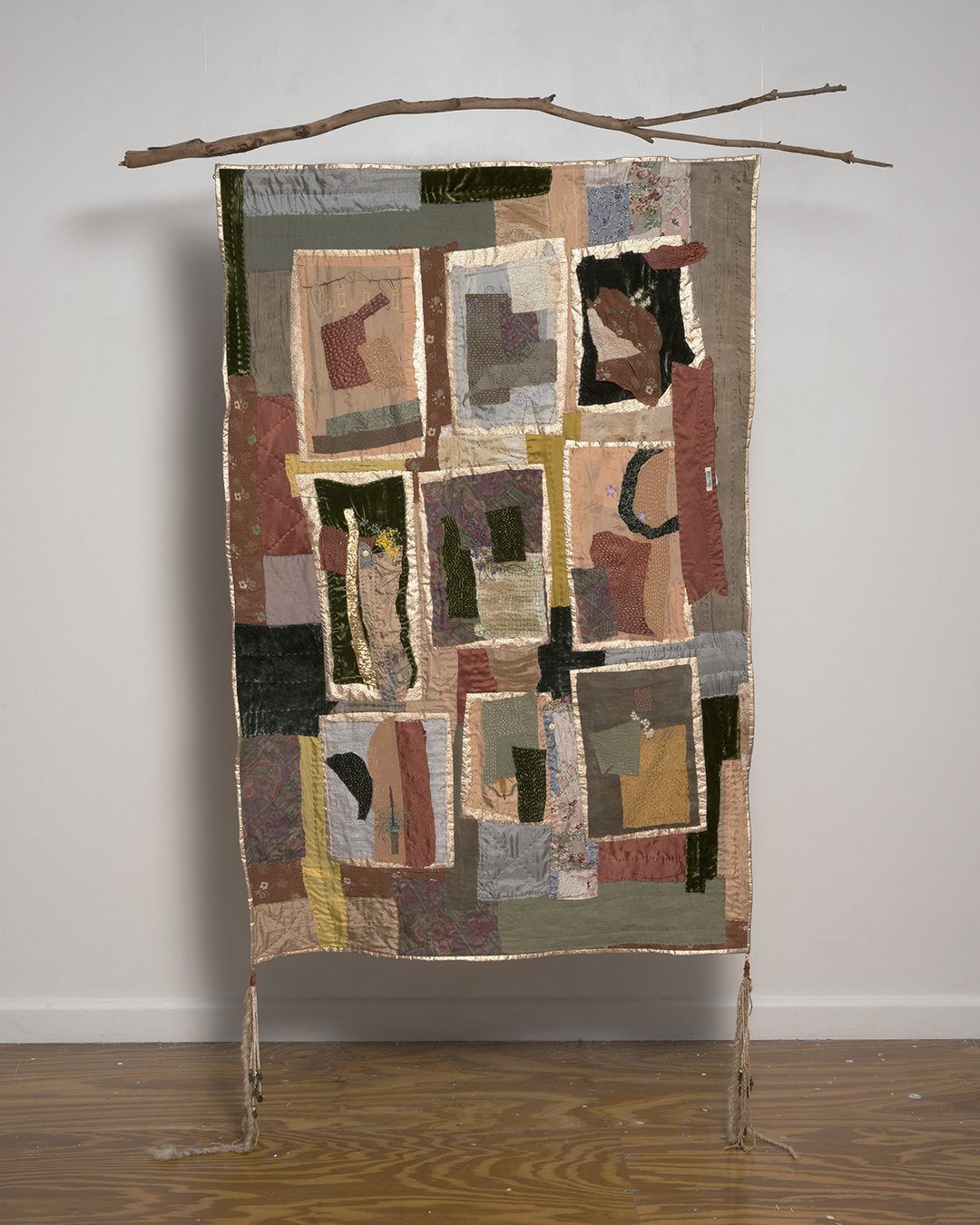
Michele Grimston, Somehow, closer to home, 2026. Image courtesy of Brenton McGeachie
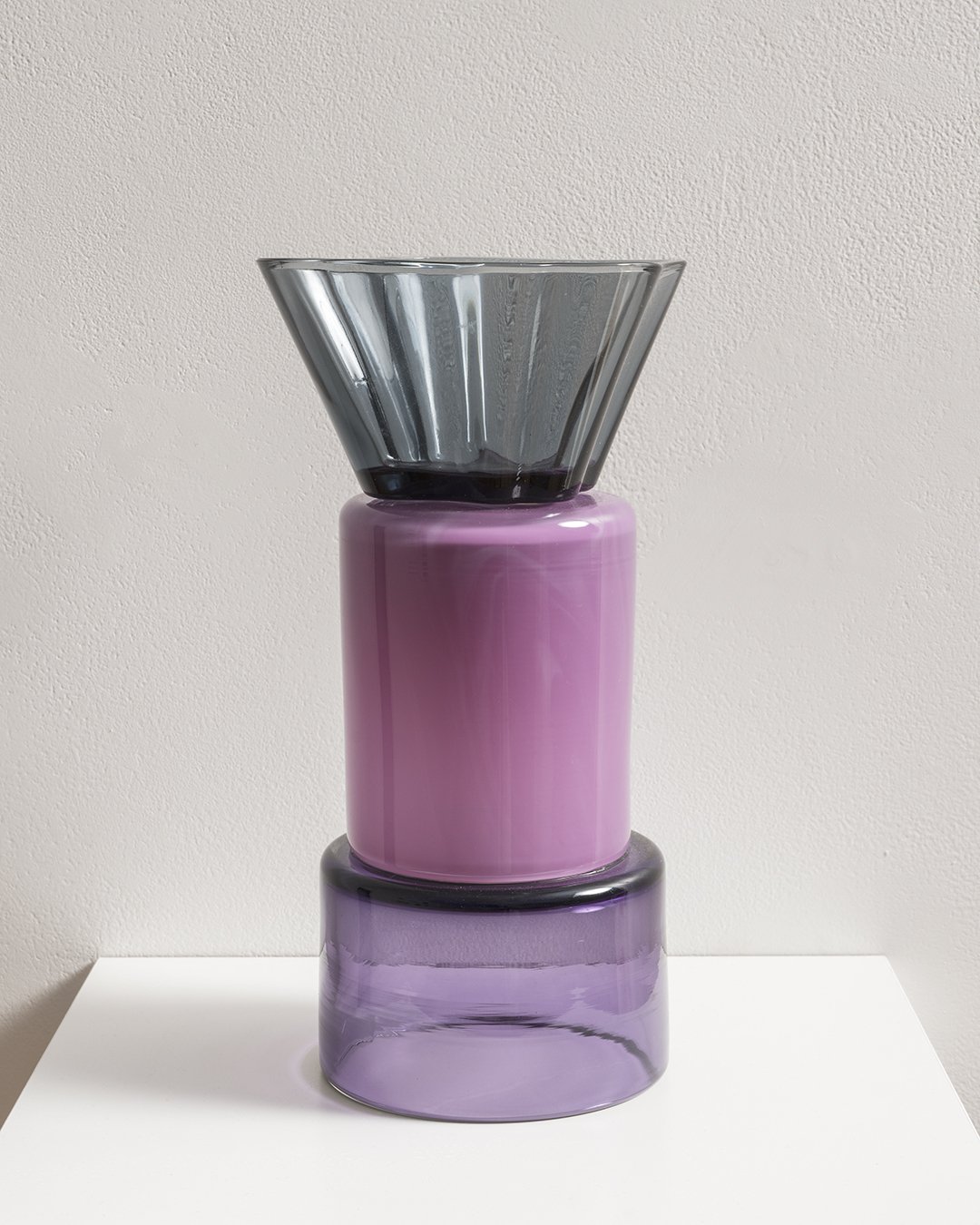
Paul McInnes, The tears of things (Finlandia). Image courtesy of Brenton McGeachie.
Alongside these more conceptual approaches to making are works that centre design as a form of personal and cultural expression. For Jessica Spencer, art and culture are entwined, informing her approach to making, here represented within the delicate weaving of a dilly bag. The raffia pieces shaped by Wilay Designs are also grounded in culture, drawing on storytelling to create objects that honour a connection to Country. In his modular work, Gavin Bradstreet places cascades of undulating bodies alongside puffy clouds to conjure a feeling of queer transcendence. In her playful mixed media work, Sandy Ma offers a reflection on her cultural heritage through a hazy dream of girlhood. Preloved handbags emblazoned with the words “DISSENT” and “TRASH” by Matilda Hillam serve the dual purpose of being both a practical vessel for holding and transporting personal objects and a canvas for communicating personal values.
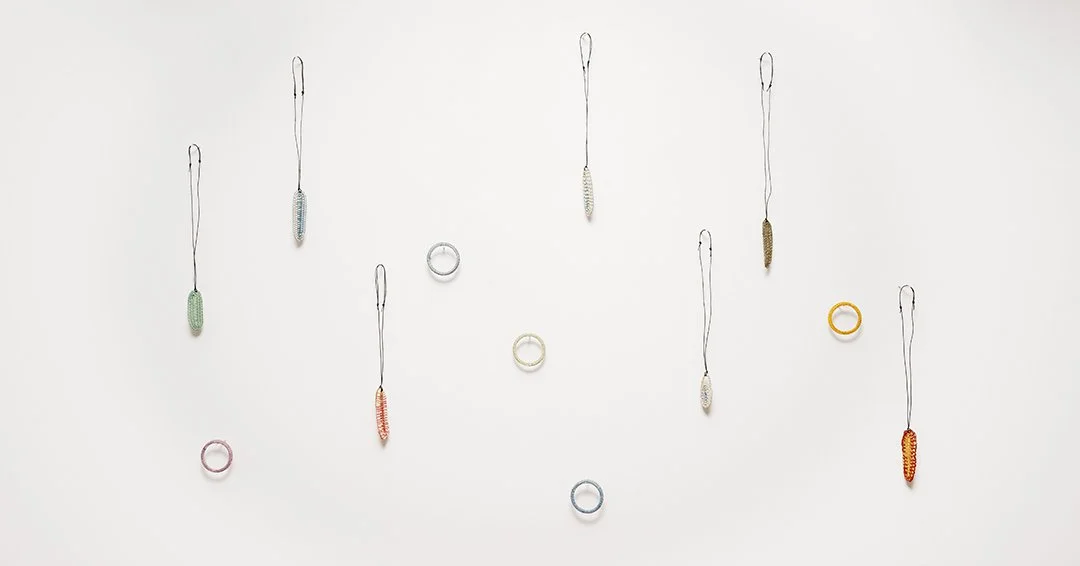
Wilay Designs, 2026. Image courtesy of Brenton McGeachie.
Each of these works bring us closer to their makers, facilitating not only an aesthetic experience, but a communal one, as we engage with the reason and feeling embedded within them. Exemplified by the arrangement of beautiful talisman-like objects crafted by Melissa Nickols, collections of objects retain the potential to communicate the personal. These small wooden treasures are placed in such a way as to speak to our tendency to collect and curate our treasures as an expression of self.
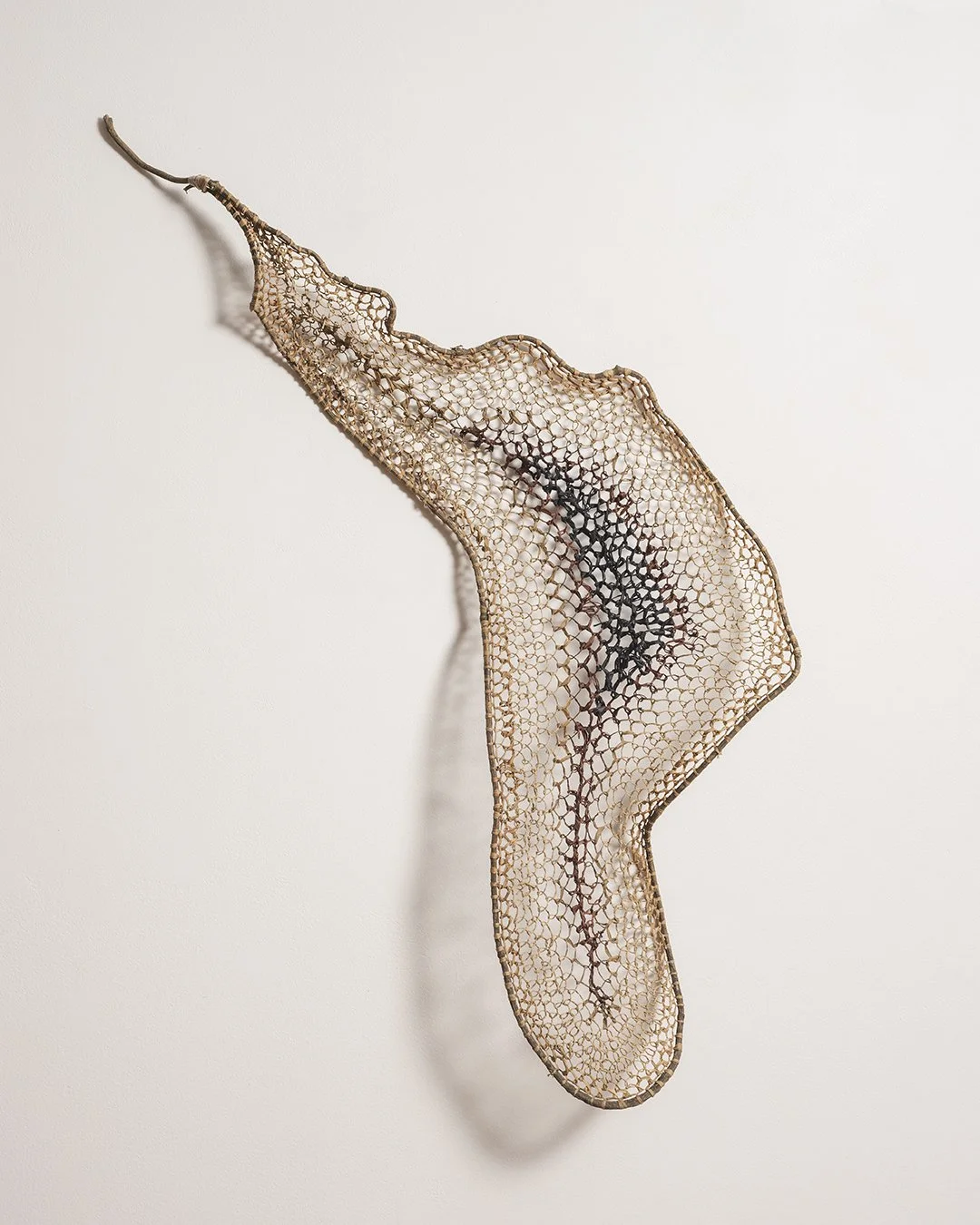
Jessica Spencer, Galindhuliny. Meaning: Wiradjuri, meaning red belly black snake, 2026. Image courtesy of Brenton McGeachie.
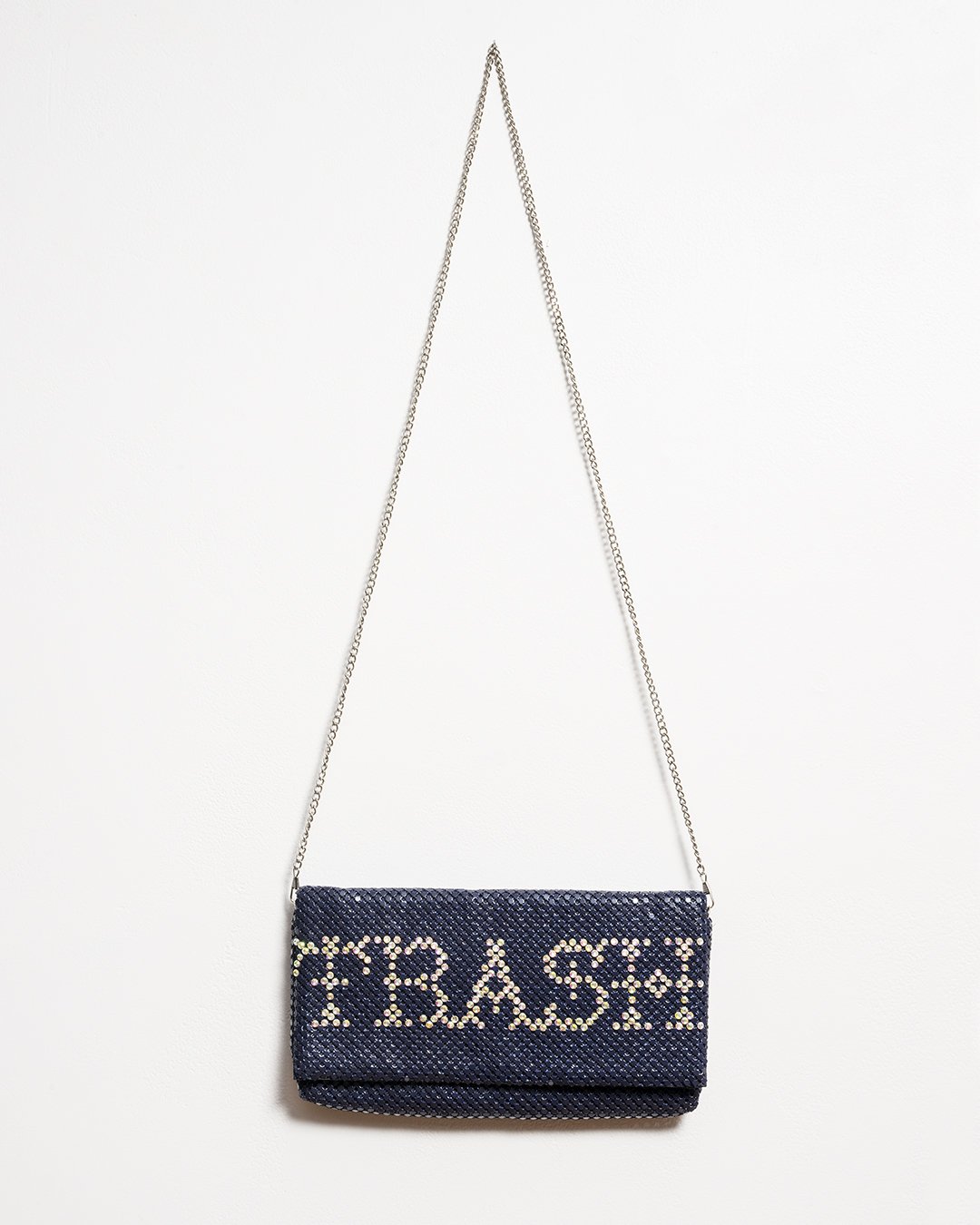
Matilda Hillam, Trash, 2026. Image courtesy of Brenton McGeachie.
As we navigate the utopia laid out for us within Bespoke Utopia, each object offers a universe of infinite possibilities to connect, engage and reflect. As so often happens when we engage with art and design, our experience of time begins to shift such that there is space to question what we value in terms of design. To ask what kind of future we want to create through our making.
Perhaps then, we might be able to shift our own world closer toward a utopia.
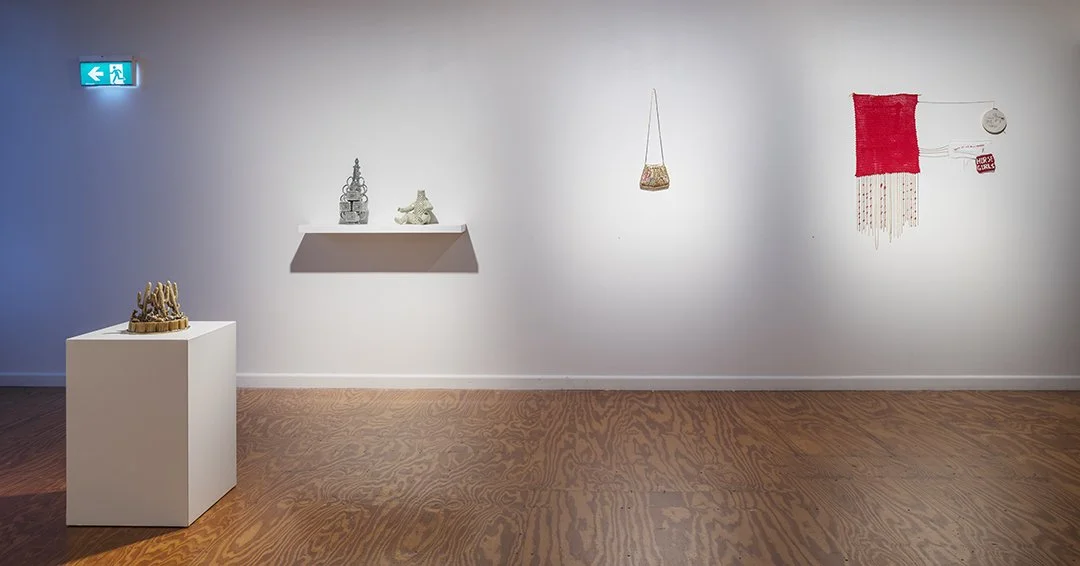
Bespoke Utopia, install image courtesy of Brenton McGeachie.
Emma Batchelor
Emma Batchelor (she/her) is a queer, autistic, writer, multidisciplinary artist and advocate from Kamberri (Canberra). Emma regularly writes on the arts, gender, sexuality, mental illness and identity. Her first novel ‘Now that I see you’ was the winner of the Australian/Vogel Literary Award. As a dancer, Emma has performed for Quantum Leap Australia in both regional and international tours as well as for brother, choreographer James Batchelor. Emma is the Chair of MARION, a board member of The Stellar Company, an ambassador of the Chief Minister’s Reading Challenge and for four years, was a member of the Minister’s Creative Council. Each year Emma produces accessible, inclusive arts events as part of the annual SpringOUT festival.
Learn more about the exhibition here!