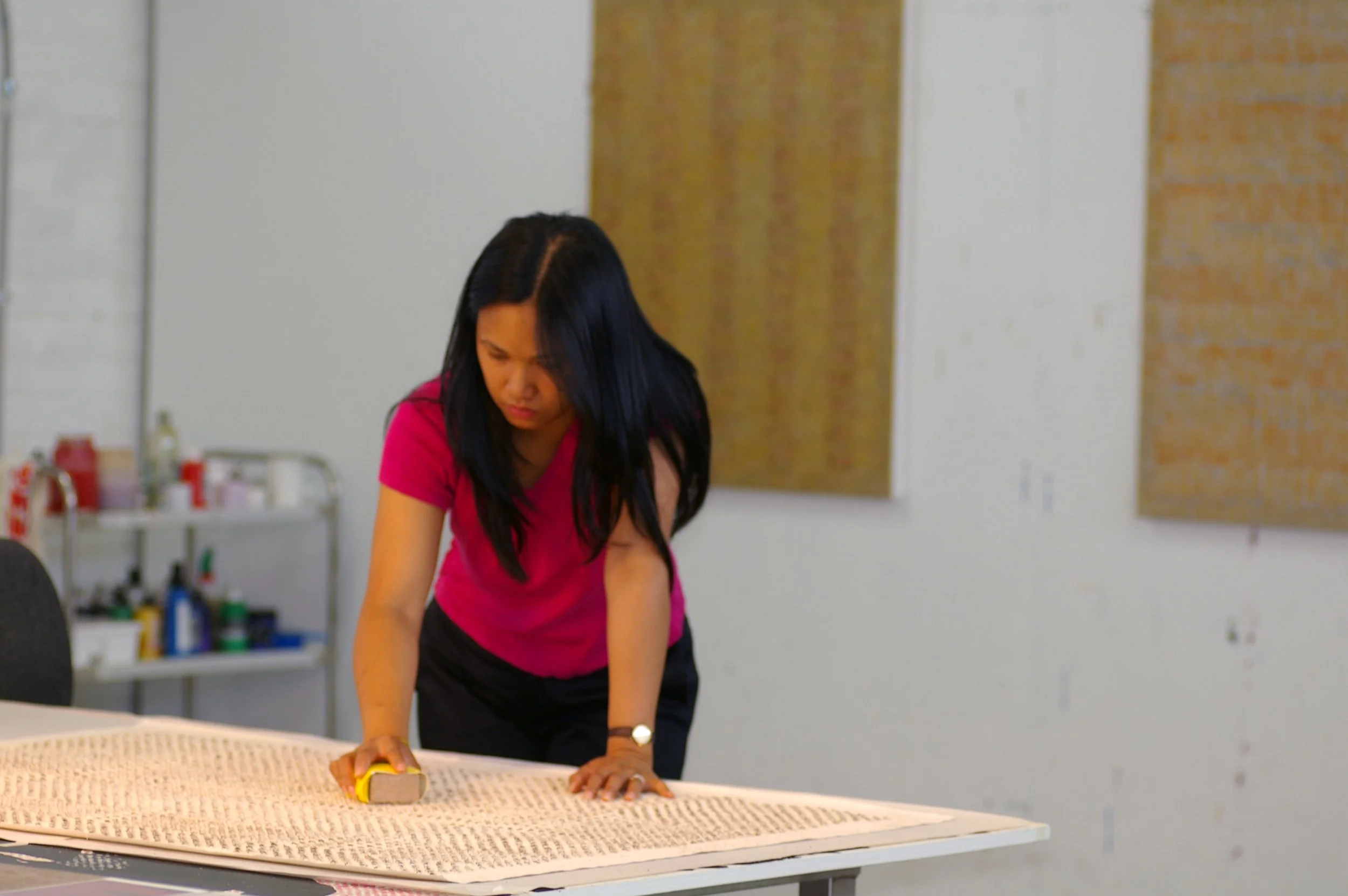
Announcement - Young Drawers Prize Winners by Lucy Chetcuti

Young Drawers Main Prize - Senior

Marly. C

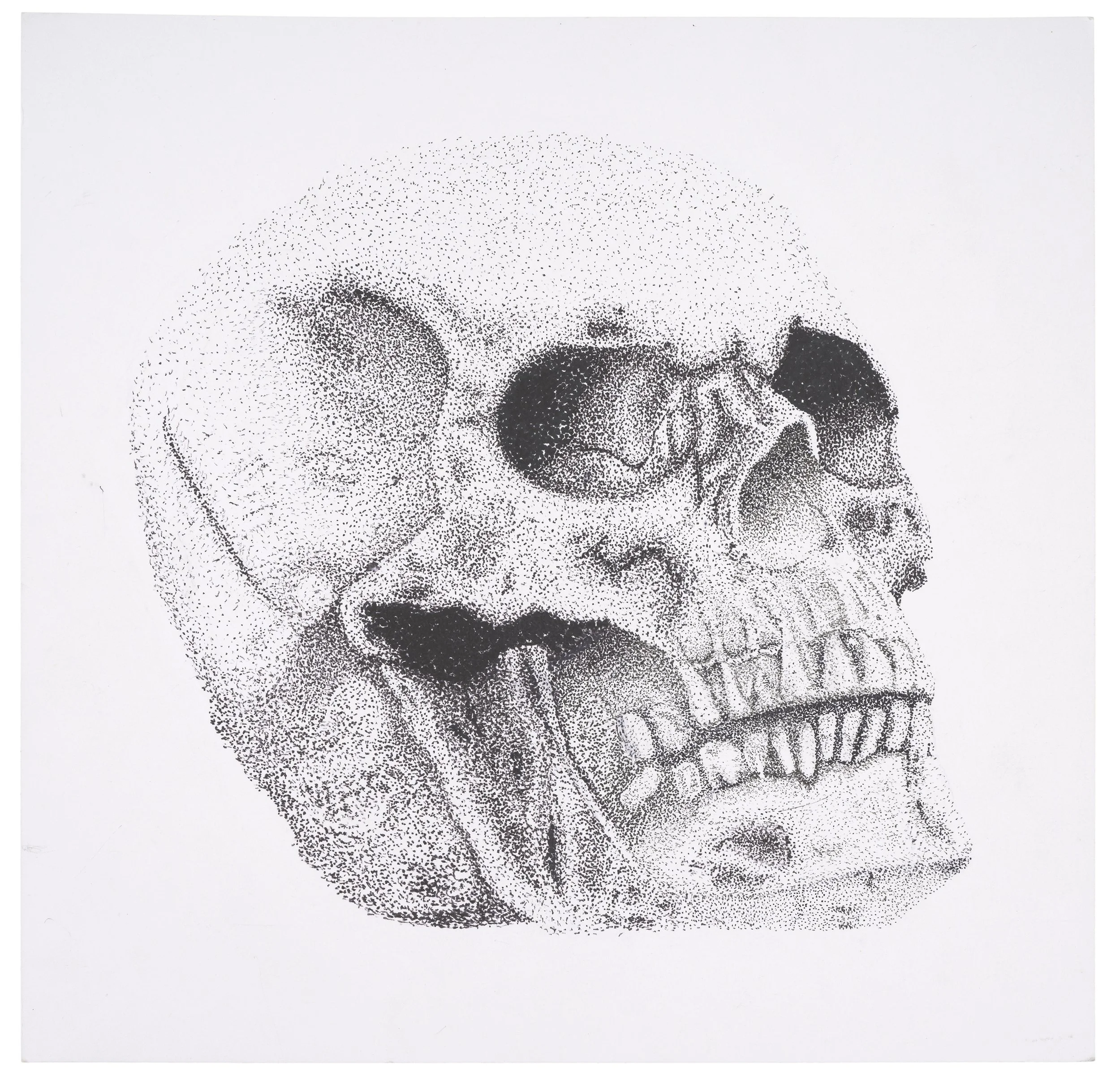
One dot at a time..., 2025. Felt tip pen on paper, 25cm x 25cm. Image Brenton McGeachie.

I wanted to challenge myself one dot at a time. The technique was one I found interesting and I wanted to test my drawing skills by creating a sense of tone and depth with only dots. I was interested in all of the details you can see in a skull up close. I was initially interested in skulls drawn as tattoos, but I settled on using dots only to create the piece. I'm really pleased with how it ended up looking so realistic

Young Drawers Main Prize - Junior

Daisy. W

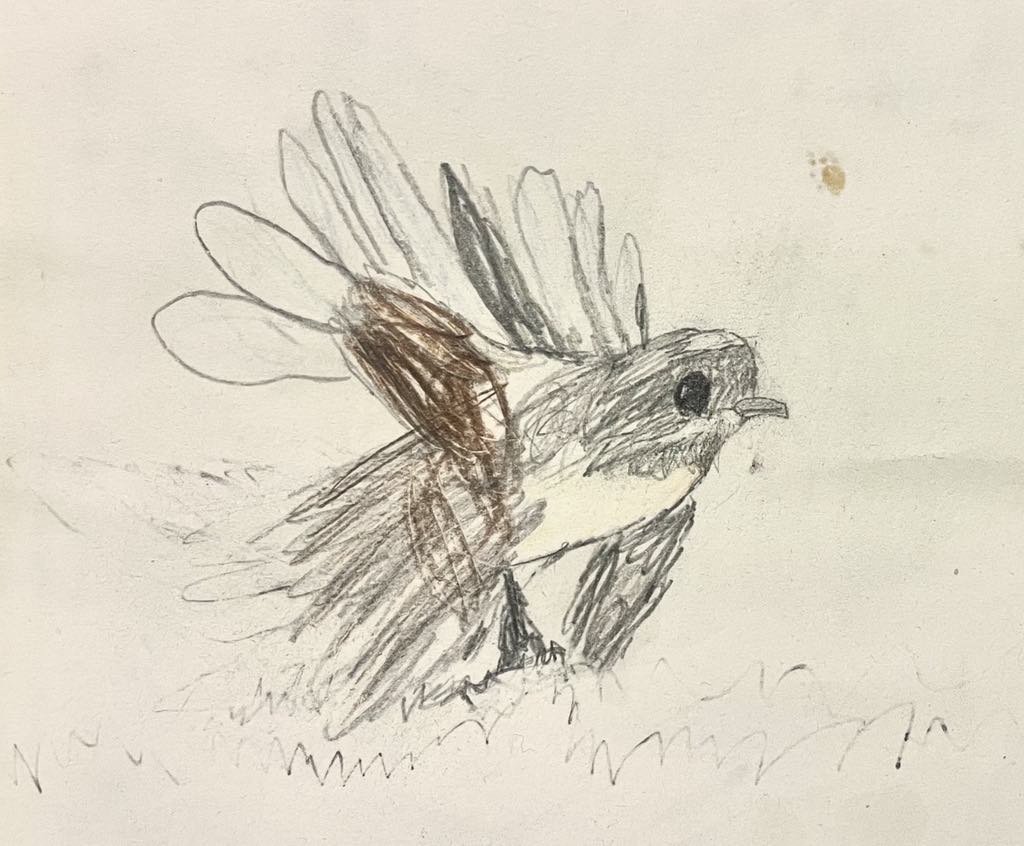
Faintail in Flight, 2024. Graphite and Coloured Pencil on Paper, 18cm x 18cm.

This drawing is of a fantail just as it's about to take flight. After rubbing out a part of its tail I then realised it looks like the bird is flapping it's wings really fast, like it's about to fly. That's why I made it about to take off. The colours of my fantail are brown, grey and cream because I think these colours look quite nice together.

Young Drawers Digital - Seniors

Marcus. L

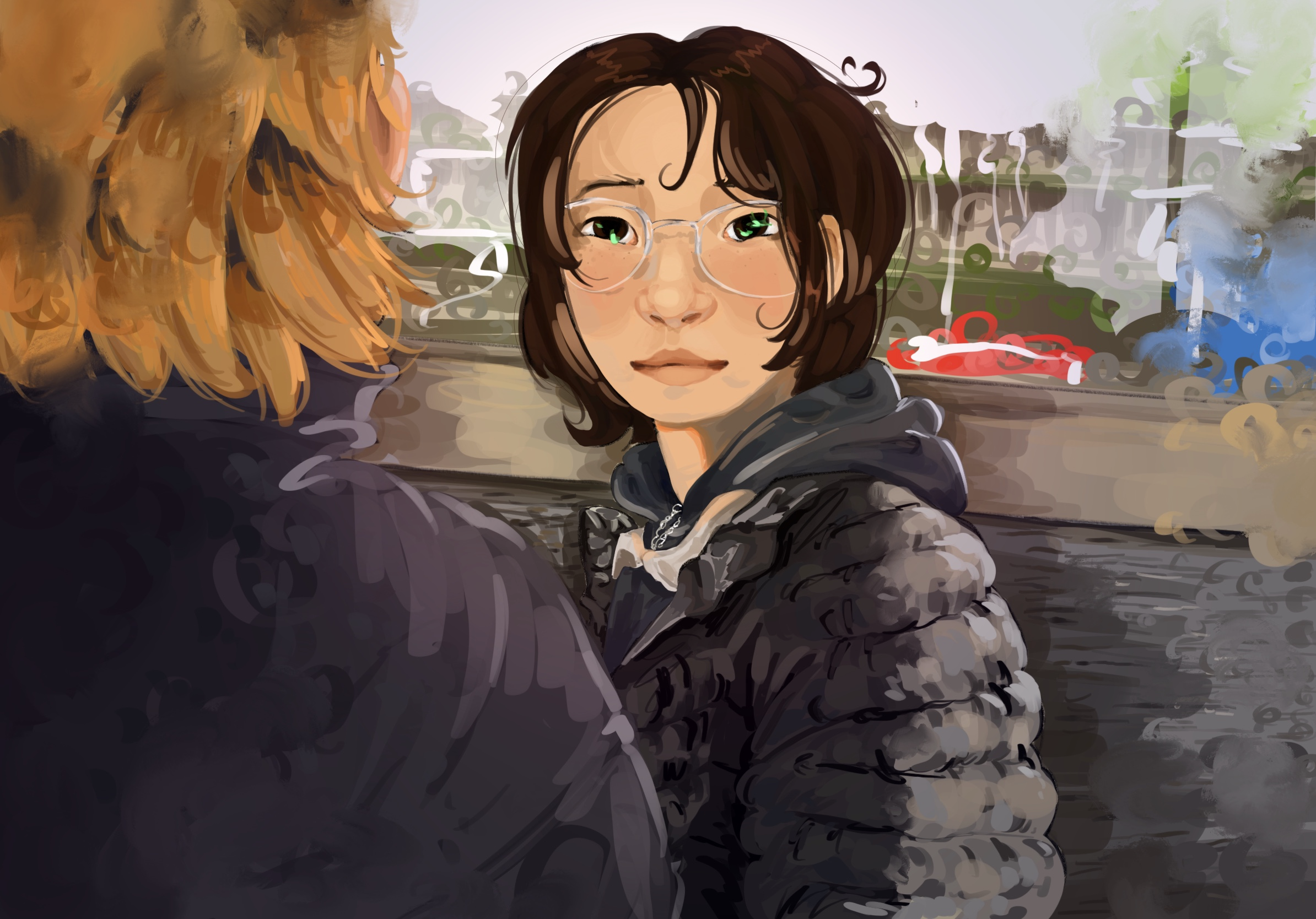
Promise, 2025. Digital artwork.

This is a digital painting of a candid photograph I took of one of my closest friends. It is as precise a representation of friendship and platonic love as I could manage—everything around her is blurred, undefined, though not desaturated. Her friendship is one that has made me feel understood in the utmost clarity, and she is one of the most beautiful people I know, both inside and out.

Young Drawers Digital - Juniors

Ruby. B

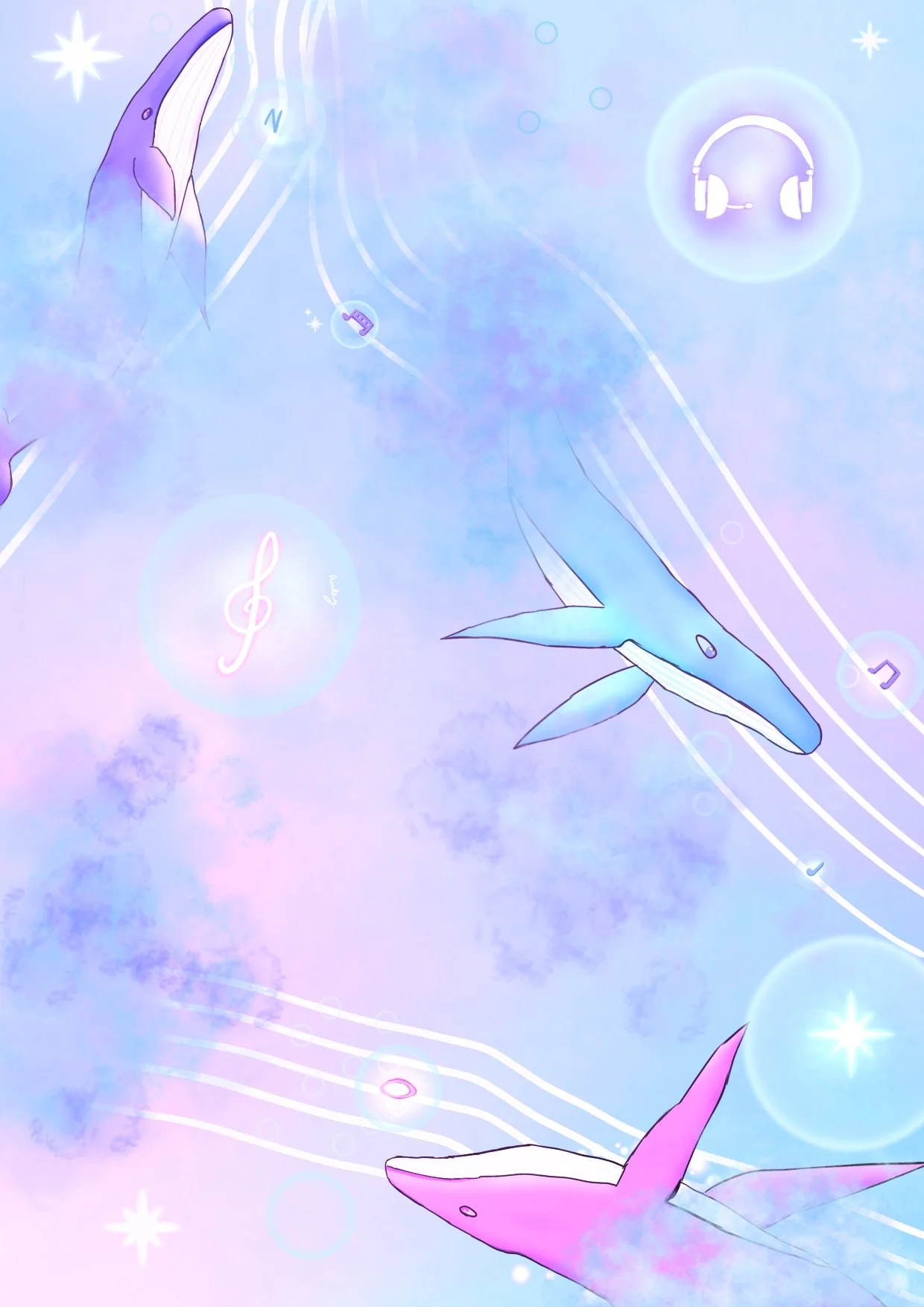
Whale Song, 2025. Digital artwork.

Announcement - 2025 M16 Drawing Prize Winners by Lucy Chetcuti

M16 X Culture Collab - Main Prize

Surya Bajracharya

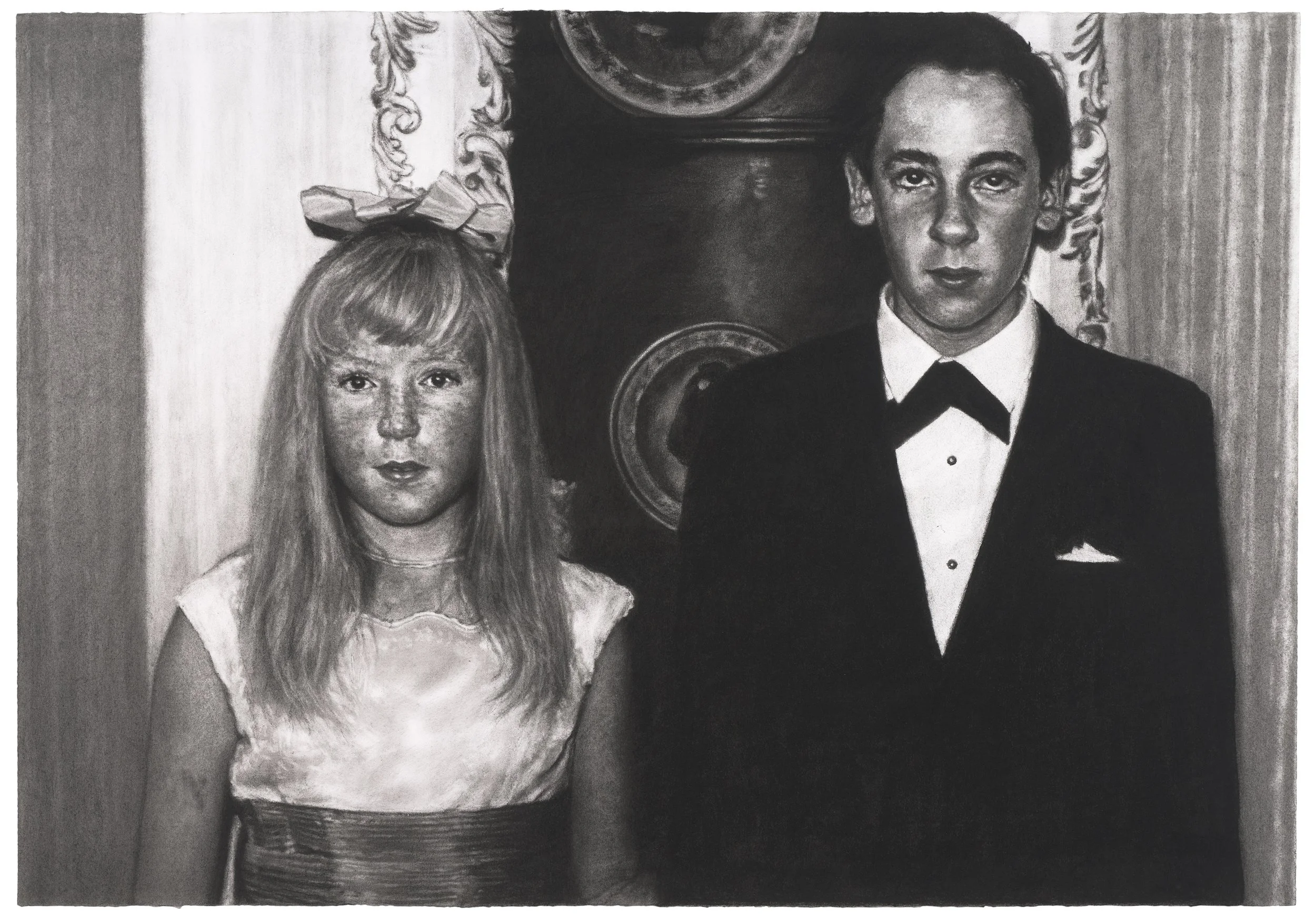
Margaret and Frazer Fair, 2025. Charcoal, 61 x 80 cm. Image Brenton McGeachie.

This charcoal portrait by Surya Bajracharya depicts his mother and uncle in their youth, based on a photograph he discovered in a shoebox. The original image had a haunting, cinematic atmosphere, evocative of Diane Arbus or David Lynch, that compelled him to draw it. What began as a straightforward representational drawing exercise gradually evolved into a personal meditation on memory, family, and the passage of time.

Bajracharya uses charcoal, a tonally dynamic, delicate and vulnerable medium to building the portrait through countless tiny, abstract gestures. The result is a life-like, photo-realistic rendering, yet the process itself became far more than an act of reproduction. As he worked, Bajracharya found himself in quiet dialogue with the photograph—contemplating its hidden layers and reflecting on the lives and experiences of the two young figures captured in time.

The act of drawing became a meditative process, one that bridged personal history and artistic inquiry. In shaping the likeness of his family members, he also traced the contours of aging, nostalgia, and the impermanence of memory.

This portrait stands as both homage and investigation—an attempt to hold still a fleeting moment, and to explore how the past lives on through art, memory, and the quiet labour of close observation.

Buy online

Highly Commended

Rmsina Daniel

Processional Way, 2025. Mild steel and micaceous iron oxide enamel, dimensions Variable. Detail image Brenton McGeachie.

Rmsina Daniel is an artist concerned with figuration and the human form. Daniel was always interested in the human condition as she firmly believed that the human is the central figure of this world. Daniel is a sculptor capable of working with a different range of materials. Her practice begins with drawing from a coffee cup seeking figures, then further extended through sculpture. Daniel has been working continuously with steel for 6 years. Her residency at the Sydney Olympic Park Armory allowed her to further her skills in welding. Usually, the environment and the site form the scale of her sculptures. Most of Daniel’s works are abstract relief sculptures and involve installation and composition that reveals a certain truth.

Buy online

First Nations Artist Award

Natalie Bateman

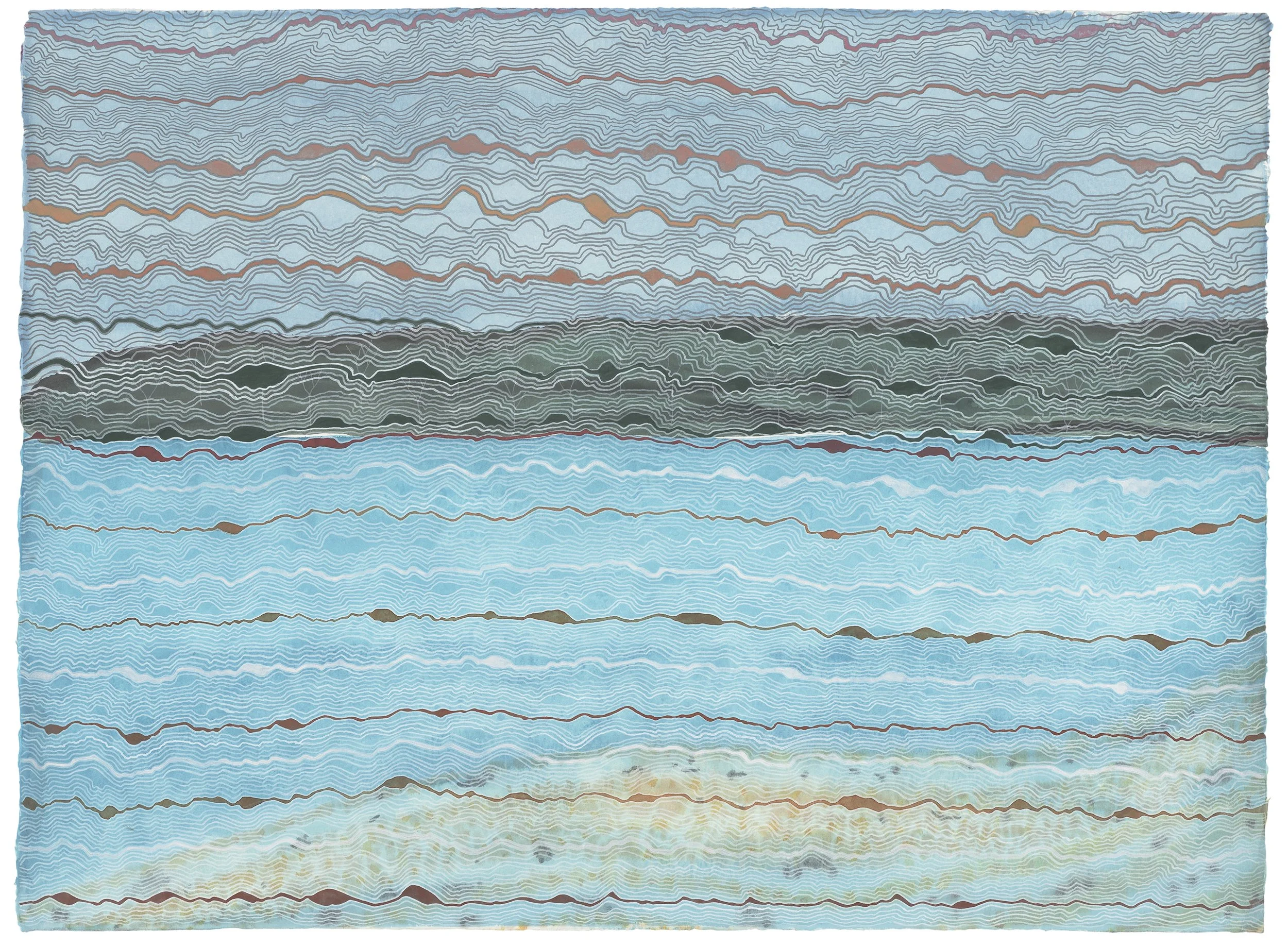
South Arm Tasmania, 2025. Watercolours posca pens acrylic on Hahnemühle paper, 80 x 106 cm. Image Brenton McGeachie

I get all sorts of ideas from everyday living, most of these ideas come from the land, the incredible colour, shapes & patterns in everything around, the smells, sounds, & the stories passed down from my elders. With the love from my family, sharing of knowledge, respecting our cultural ways, being part of our family kinship, all this beauty gets put into my paintings as some sort of story. Using line work is our Yuin cultural way, I enjoy playing with colour and using them in a way that uplifts people.

SOLD

Local artist award - Kyeema Gallery Award

Robbie Karmel

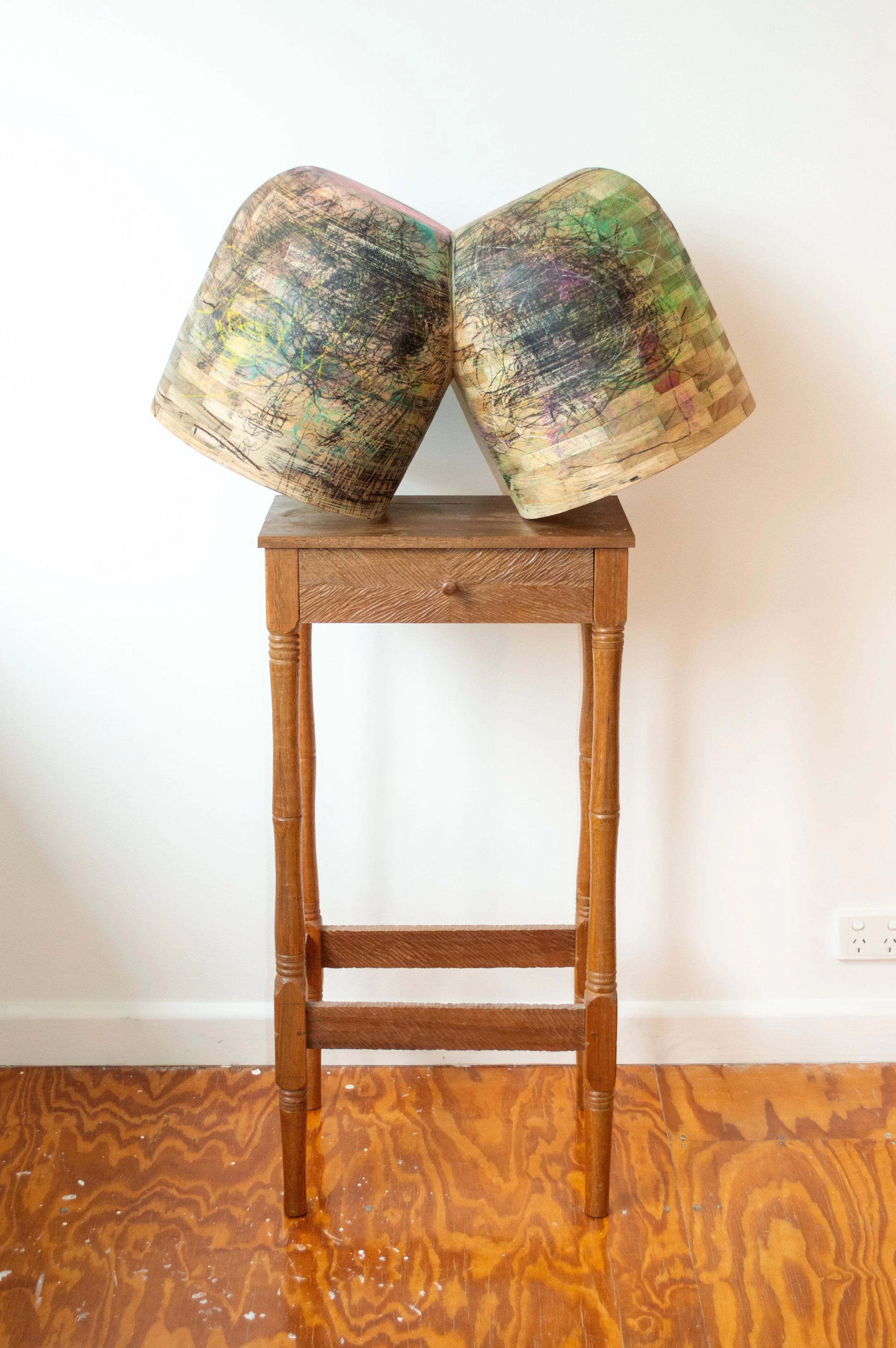
Headbowls, 2024-ongoing. Coloured pencil, graphite, charcoal and gum arabic on victorian ash, 43 x 75 x 32 cm. Single channel video, colour; 00:10:32  

Headbowls is an ongoing project in which Robbie Karmel has made a series of turned segmented wooden bowls designed to be worn on the head and drawn on, printed from, modified, damaged, repaired, performed and reperformed. As participatory and performative objects the bowls are worn and drawn on collectively by the artist and audience.

The Headbowls provide a meditative space to observe, consider, and respond to perceptual experience—the shape and senses of the body, the weight of the bowl, interactions with others, and the tangled activity of drawing.

This iteration of the work presents two headbowls fused at the temple, creating an object that requires a second person to activate or play with. The work aims to embody a request for assistance, to share the weight of the object, and to collaborate in drawing and playing. Conversely, the Headbowls in this configuration are insular and myopic, a closed and potentially competitive or antagonistic engagement, reinforced by the videogame iconography that informs the helmet-ness of the Headbowls.

These objects are an invitation for social production of drawings that are ambiguous in their subject, object, author, and viewer. The collective Headbowl performative drawing invites people to access their tacit embodied knowledge and capacity for mark making and to collectively develop and share that understanding through the activity. These are objects that are played with, drawn on, broken, fixed, modified, pulled apart and put together again, and have no clear state of completion.

Viewers are invited to wear and draw on the Headbowls.

Buy online

Local Artist Award - Megalo Print Studio

Kate Stevens

The Tunnel/Heart of Darkness, 2024. Coloured pencil on paper, 197 x 150 cm

This large pencil drawing is of the entrance to an earth tunnel in the village of Darwan, Afghanistan, from an image taken by Australian SAS soldiers during twenty years of War in Afghanistan. have returned the image to a scale around life-sized, looking for traces of its history: place as witness. The choice of coloured pencil as material is a deliberate decision to insert the perspective of children back into narratives of war.

Buy online

Savanhdary Vongpoothorn interviewed by Lucy Chetcuti by Lucy Chetcuti

Image courtesy of the artist


For forty years, M16 Artspace has been a home for artists to create, connect, and grow. To celebrate this milestone, we’re not only hosting a fundraising raffle and exhibition, but also taking a walk down memory lane with some of the artists who’ve shaped our story. One of them is Savanhdary Vongpoothorn, a long-time friend of M16, who has generously donated an artwork to this year’s raffle. 

In this conversation with our General Manager, Lucy Chetcuti, Savanhdary reflects on her early days in the Mildura Street studios in Fyshwick. She shares stories of chance discoveries, makeshift walls built by friends, and the kind of community spirit that gave artists space to dream bigger than they imagined. From dusty warehouse floors to creating work for the Sydney Biennale, Savanhdary’s memories remind us how much a studio can shape an artist’s journey. 

Tickets for the M16 Artspace 40th Anniversary Fundraising Raffle are available here, with prizes drawn at our celebration event on Saturday 1 November 2025 at 7.30pm. Save the date! 


LC: How did you come to have a studio at M16?   

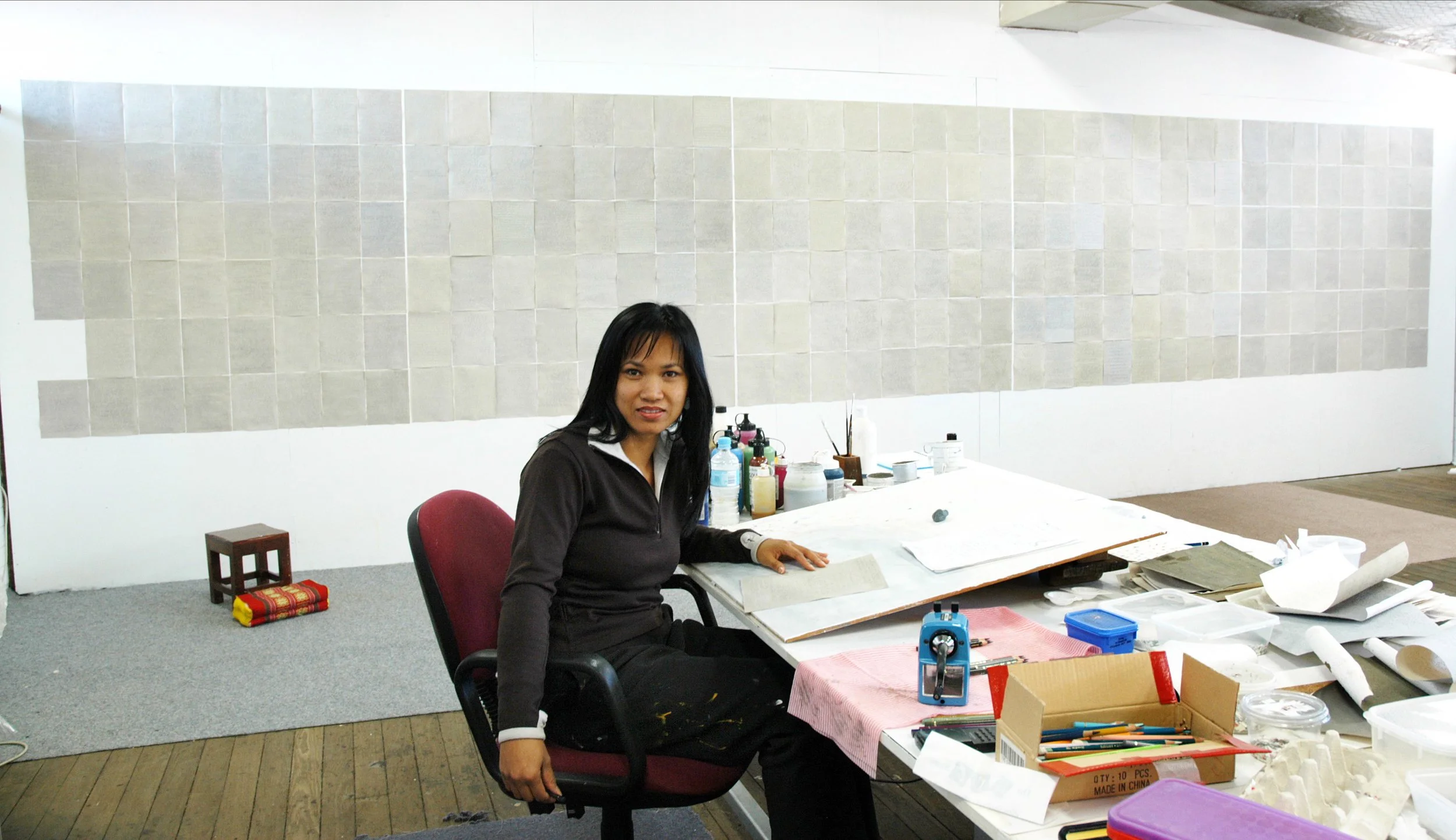
SV: We rented a beautiful house designed by Robin Boyd in Red Hill when we first moved to Canberra in 2004. The house was shaped like a lantern, and I used one of the bedrooms as a studio. After a few months the bedroom felt very small, and I was desperate to get a proper studio. I didn’t have a smart phone, and I rarely used the computer back then. So, one day I decided to go for a drive. I didn’t go very far until I saw a sign M16 Studios near Fyshwick Markets.   

LC: So that was on Mildura Street?  

SV: Yes, I drove in and met John Shone and Dr Srebrenka Kunek. They were living in their studio at the time, and they seemed to be the ones in charge. I was shown a huge space next to theirs and was told I could have as much space as I wanted. I decided then and there that I will take 60m square. I was so excited I rang a friend in Sydney, Roy Jackson (the late artist), he and another artist friend Christopher Bruce drove down to Canberra on their way camping and built me a wall with a door! They also helped me paint the walls. Also, there was a welder in the building across from us and I asked him if he could make me two big tables. And just like that I had a beautiful and functional studio with a sink and running water! 

LC: Sounds like a dream studio!  

Image by Jenni Carter

SV: It was a dream studio, and I paid $250 a month for a few years! I left after five years of working there and Brett Bailey took over. That was when the rent had gone up. 

LC: When you were making work out at the Mildura Street studio, were you showing with Martin Browne Contemporary?  

SV: Yes, I was. I have done many shows out of that studio, including for Niagara Galleries in Melbourne as well as completed a major work for the Sydney Biennale in 2006.  

LC: I can imagine you were really focused on your work during that period.   

SV: I was, the fact that it was just down the road from the Robin Boyd house had made life easier and that was when I fell in love with Canberra.  

LC: Wow, there's been some amazing people that have come through M16. When it first started it was in Kingston and called Kingston Art Space and was later renamed Leichhardt Street Studios when the organisation moved to Mildura Street. It's fascinating to me that over all these years it has held spaces for the Studio One printmaking workshop (now Megalo Print Studio), the Canberra Art Workshop (CAW), Helen Maxwell’s Girls Own Gallery, the Ben Grady Gallery and the Spiral Arm Gallery. I would love to do a Spiral Arm exhibition one day, what a great name!   

I heard that the name M16 was chosen because it was 16 Mildura Street. I've been trying to dig through all the old files to get a sense of our history. Did you have much interaction with Jeffree Skewes? He was running children's art classes.  

Image by Jenni Carter

SV: Yeah - he was running the class next door to me, and that’s where I met the musician Richard Johnson through Jeffree. And it turns out that Richard was a friend of my late dear friend from Malaysia.  

LC: It’s a small world. Jeffree is still at M16 with us today running StudioMAP. Canberra is kind of magical like that, isn't it? It's such a small community, there are so many connections. My former boss Terence Maloon, always said that how Canberra is now is how the Sydney art scene was in the 80’s.   

SV: I knew Sydney in the 80’s and it was and still is totally different to what we have in Canberra.  

LC: What was your experience coming from Sydney to Canberra? I mean, you must have loved Canberra because you have stayed here ever since.   

SV: My partner Ashley and I left Wedderburn (Sydney) when he got a postdoctoral position at the National University of Singapore. We lived in Singapore for almost three years, and we moved to Canberra when Ashley got a job at ANU in Anthropology. It was a bit of a culture shock coming from Singapore to Canberra. It took us a long time to get used to the fact that nothing stays open after 2pm, that was hard. We stayed on because I had a studio at M16. 

LC: So, when you moved to Canberra, how long were you here before you got to the studio at M16?   

SV: Not very long, maybe two or three months. My studio was really filthy when I first moved in, but the floor was hardwood. The building was used by Parkes and Wildlife before M16 took over. I had to buy industrial cleaning stuff. After a good scrub, the floor came up beautifully.   

LC: I imagine it would have been so dusty all the time out there. Do you have any photos from back then?  

SV: Actually, there's a book called Studio, by R. Ian Lloyd and text by John McDonald. You've probably heard of it, maybe I can find it online.   

[Looking at photograph of SV’s studio online]  

Image by Jenni Carter

LC: Oh, wow. That's so massive.   

[Pointing] That was the wall they built. And John and Srebrenka were behind this wall.  

LC: Do you know who took this photo?  

SV: R. Ian Lloyd. Oh, that's a great shot. This here was my working wall. I had a couch there, so essential in a studio! I used to hang my brushes on the pipe on the other wall.   

LC: That's a beautiful photo.  

LC: So how old were you there [in the photo]?   

SV: I was 33. 

LC: I think taking on a big studio like that is a testament to your ambition at the time. For a young 33-year-old to be in a big studio like this, it's incredibly ambitious.  

SV: Yeah, it was. It changed my life, it changed everything. It's amazing how a studio space leads you to make work at a scale that you would never have thought possible. I made Floating Words for the Sydney Biennale. It's because of that space that I was able to make a work that was eight meters long. Subsequently, seeing Floating Words somewhere else never quite lived up to seeing it in the studio because of the light. There was a lot of natural light.  

LC: It just goes to show how vital having an external studio space is to an artist. And what a difference it can make to your practice. I think it can really take things to the next level once you get out of a domestic setting.  

SV: Oh, absolutely, if you can do it. It's becoming harder for younger artists to be able to do that, and for me it was just dumb luck, really. I don't know what I would have done if I had a smartphone. What do you think I would have done if I wasn’t driving around that day? (laughs)  

LC: It's like your story of finding the place was by fate!  


M16 Environmental Artist in Residence 2025-2026 Callout by Lucy Chetcuti

We are thrilled to offer the M16 Environmental Artist in Residence again in 2025, an initiative supported by the generous sponsorship of Thomas Boulton.

The residency supports an artist to develop and exhibit new artworks at M16 Artspace that examine and engage with the core principles of environmental sustainability. The M16 Environmental Artist in Residence will be offered a $2000 scholarship, a nine-month residency at M16 Artspace commencing in 2025 and four-week exhibition in 2026.

A gallery with white walls and warm wooden floors. In the foreground there is a low plinth with three plastic plant guards with embroidery of grasses. There are branches attached to the left wall, surround a linear hang of pastel drawings.

Kirsten Wehner, Creek, 2025. Wehner was the recipient of the 2024 M16 Artspace Environmental Artist Residency, generously sponsored by Concept Six. Image courtesy Brenton McGeachie.

About

The M16 Artspace Environmental Artist Residency is designed to support artists in developing and exhibiting new artworks that delve into the core principles of environmental sustainability. With a $2000 scholarship, the successful applicant will embark on a nine-month residency at M16 Artspace in 2025, culminating in a four-week exhibition in 2026.

The M16 Environmental Artist in Residence program supports environmental sustainability, artist development and community engagement. The successful applicant will develop and exhibit new artworks at M16 Artspace that examine and engage with the core tenets of environmental sustainability. The artist will critically examine issues relating to environmental sustainability, raise awareness around these issues and engage the community with relevant ideas or solutions. 

We particularly encourage innovative proposals which aim to actively engage the local and/or ACT community in the creation, presentation or discussion of the work created. For example, this might be through socially engaged or participatory practice, and/or through public programs such as artist talks, reading groups, workshops, demonstrations and panel discussions. 

Eligibility

The M16 Environmental Artist in Residence is open to artists who will develop and exhibit new artworks at M16 Artspace that examine the core tenets of environmental sustainability. All visual artists and creative practitioners can apply, including artists working in all mediums and at all career levels, unless falling into the following categories: 

  • Current M16 studio artists; 

  • Artists not residing in the ACT or surrounding region throughout the duration of the residency. 

Applications will not be accepted from applicants who do not submit the required information. Please note that current M16 Artspace Studio Artists are ineligible for this opportunity.

Inclusions

Valued at over $5,000 (including monetary and in-kind support), the program will include: 

  • A nine-month studio residency in our East Wing resident's studio, approximately 9 sqm.

  • A four-week exhibition at M16 Artspace in 2026.

  • A $2,000 scholarship

  • 24/7 access to the studio with a key and swipe card, along with access to shared amenities including a kitchen, sinks, common space, and accessible parking.

  • Marketing and promotional support from M16 Artspace across online, print, and social media platforms.

  • Connection to the vibrant M16 studio artist community for support and collaboration throughout the residency.

How to apply

To be considered for the Environmental Artist Residency you will need to submit an application through the online form link found at the bottom of this page. 

We encourage all applicants to review our Environmental Artist in Residence Terms & Conditions before beginning the application. This pack provides essential guidance on the application process, and answers to frequently asked questions to assist in preparing your submission. 

If you aren’t able to complete the application once you have initiated it, you will be able to come back to your submission if you are using the same device and IP address

Successful applications are allocated through reviewing suitability, commitment to practice, community involvement and other considerations. 

Deadline

Monday 15 September, 11:59 AEST

Application Requirements

A completed online application form which includes: 

  • A current Artist's CV (up to two pages) 

  • Links to your artist website and/or social media (if any) 

  • An artist's statement that outlines your current practice (1/2 page max) 

  • A detailed environmental artist in residence proposal, up to two pages that includes;

    • Proposed outputs and how the residency will benefit your creative practice

    • A proposal for an exhibition at M16 Artspace in Gallery 2 or 3 

    • A detailed budget outlining how you would utilise the scholarship funds 
  •  Up to 10 digital images that best demonstrate your proposal. Video and sound works may include audio-visual material (up to 10 minutes) or a link to such material. 

  • Accepted formats include single images saved as individual JPEG, JPG or PNG files (2MB max), or 

  • Audio-visual material saved as an MPG file (10 MB max) 

    • Please label all image files as 'Artist, Title of Work, Year, Medium, Dimensions. Image Credit' 

    • Label all audio-visual files as 'Artist, Title of Work, Year, Medium. Duration' 

 
Submit Online Application
Terms and Conditions PDF

Contact

If you would like to discuss your application or would like accessibility support in applying, please get in contact with our staff: 

Terms and conditions Doc

Phone: (02) 6295 9438         
Email: office@m16artspace.com 
M16 Artspace office hours are 12pm–5pm Wednesday to Friday.